Buy jobbörse24.eu ?
We are moving the project
jobbörse24.eu .
Are you interested in purchasing the domain
jobbörse24.eu ?
domain@kv-gmbh.de · 0541-91531010
Buy jobbörse24.eu ?
Why dative?
The dative case is used in many languages to indicate the indirect object of a verb, showing to whom or for whom an action is done. It helps clarify the recipient of an action or the person who benefits from it. By using the dative case, speakers can provide more specific information about the relationships between the subject, verb, and object in a sentence. This case is essential for conveying nuances of meaning and ensuring clear communication in various contexts. **
Dative or accusative?
Dative and accusative are two different cases in grammar that indicate the relationship between a verb and its object. The dative case is used to show the indirect object of a verb, while the accusative case is used to show the direct object. To determine whether to use dative or accusative, you need to consider the verb in the sentence and identify whether the object is receiving the action directly (accusative) or indirectly (dative). **


Similar search terms for Dative
Top-Angebote
Products related to Dative:
-
Mindclash Games Board Game - Strategic Dragon Rescue and Hero Recruitment - Model XIn Emberheart, you take on the role of a King's Champion in a strategic board game about rescuing dragons, recruiting heroes, and building a safer home for them. Each player develops a dragon preserve, trains a personal dragon companion, and manages their flame while working towards the greatest possible glory. Players compete through five rounds of tactical worker placement, choosing where to send their champions to gather resources, expand their preserve, attract valuable heroes, or rescue dragons before the poachers claim them. Every decision contributes to your growing reputation, but careful planning is needed to balance immediate opportunities with longer-term objectives. The game offers a medium-weight strategy experience for players who enjoy meaningful choices in a compact game.37,99 £*Shipping: 3,95 £Secure redirect to the provider
-
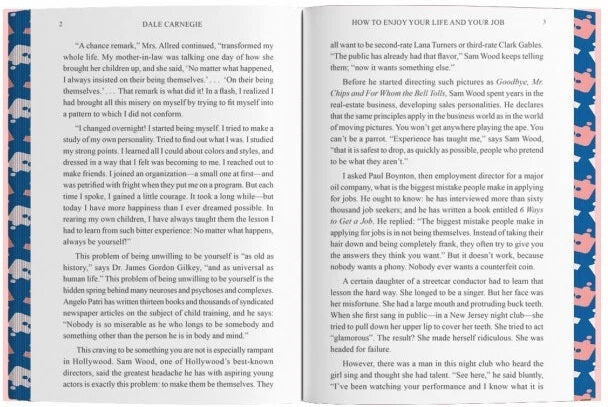
Wilco Books How To Enjoy Your Life And Your Job by Dale Carnegie - Sprayed Edges Premium Hardback - Classic Self-Help for Career & Life ConfidenceHow to Enjoy Your Life and Your Job is a practical guide by Dale Carnegie that offers advice on finding satisfaction at work and at home. This premium sprayed-edges hardback edition presents Carnegie's time-tested advice on enthusiasm, positive relationships, and everyday resilience in a beautifully finished collectible format. Ideal for fans of classic self-help writing, this edition brings fresh appeal to a book that has helped generations of readers approach their careers and lives with more confidence, energy, and purpose. Written by one of the founding figures of modern personal development, the book distills decades of Carnegie's observations into simple, repeatable habits anyone can apply. It explores how attitude shapes outcomes at work, showing readers how to make the most of their daily interactions and relationships.4,50 £*Shipping: 2,99 £Secure redirect to the provider
-
NYX Professional Makeup Jelly Job sparkle lip gloss with magnifying effect shade Glow Job 7.5 mlNYX Professional Makeup Jelly Job, 7.5 ml, Lip Glosses for Women, Lips as smooth as glass and as reflective as a mirror? The NYX Professional Makeup Jelly Job lip gloss can turn this dream into reality. It envelops the lips in a high-gloss formula, smoothing and evening out their surface to mask any lines or wrinkles while giving your lips long-lasting comfort. It promotes their soft appearance, preventing visible dryness that can interfere with your perfect makeup look. In no time at all, it helps you achieve beautifully glossy, luscious lips, making them the centre of attention and irresistibly kissable. Characteristics: ensures a high gloss gives lips more volume moisturises and softens lips smooths fine lines on the lips details the lips perfectly How to use: Apply an even layer to the lips with an applicator. Repeat as necessary. Can also be applied over lipstick or other makeup.7,31 £*Shipping: 3,99 £Secure redirect to the provider
-
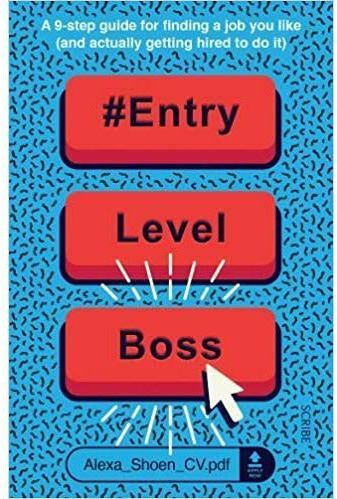
Scribe UK Find a Job - #ENTRYLEVELBOSS - a 9-step guide for finding a job you likeFind a Job - Banging your head against the wall with the job search? #ENTRYLEVELBOSS will help you stop freaking out. Miserable in your current role but no idea what to do next? With this book you'll be able to make a decision, no personality tests required. Convinced that you are the most unhireable person on this planet? That's statistically improbable - and you'll be amazed at how employable you'll be by the time you have finished reading. This is personal training for your career, based on a step-by-step plan that includes: All the intel you need about getting hired in today's world, in today's industries, and with today's tools. Hyper-specific advice including templates for networking emails, CVs, and cover letters. Straight-to-the-point guidance about what not to do. A solid dose of humour and emotional support from someone who really has been there. The world of work has changed, and getting hired today for a job you actually want is going to take a lot more than a neatly typed cover letter and a well-pressed suit. But along with all the challenges of the new economy come unprecedented opportunities, and careers expert Alexa Shoen is here to unlock them for you.4,99 £*Shipping: 1,99 £Secure redirect to the provider


-
Why dative case?
The dative case is used to indicate the indirect object of a sentence, showing to whom or for whom an action is being done. It helps to clarify the relationships between the different elements of a sentence and is essential for conveying the correct meaning. In many languages, including German, Russian, and Latin, the dative case is an important part of the grammar and is used in a wide range of contexts. Overall, the dative case is important for expressing the recipient or beneficiary of an action and is an essential part of understanding and using these languages effectively. **
-
What are dative adjectives?
Dative adjectives are adjectives that are used to describe nouns in the dative case. In many languages, including German and Latin, the dative case is used to indicate the indirect object of a verb or the recipient of an action. Dative adjectives agree in gender, number, and case with the noun they are describing, and they often convey a sense of possession, benefit, or disadvantage. For example, in German, the dative adjective "guten" (good) would be used to describe a masculine singular noun in the dative case, such as "dem Mann" (to the man). **
-
When to use dative?
The dative case is used in German to indicate the indirect object of a sentence, which is the person or thing that receives the direct object. It is also used after certain prepositions, such as "mit" (with), "nach" (after), and "von" (from). Additionally, the dative case is used with certain verbs that require an indirect object, such as "helfen" (to help) or "antworten" (to answer). **
-
Tolerate dative or accusative?
Whether to use the dative or accusative case in German depends on the verb being used and the prepositions that accompany it. Some verbs require the dative case, such as helfen (to help) or danken (to thank), while others require the accusative case, such as sehen (to see) or essen (to eat). It is important to learn which case each verb requires in order to use the correct form in a sentence. **


Dative or Genitive 2?
The choice between dative and genitive case in German depends on the verb or preposition being used. "Dative" is used to indicate the indirect object of a sentence, while "genitive" is used to show possession or a relationship between two nouns. "Genitive 2" specifically refers to the genitive case used after certain prepositions, such as trotz (despite) or während (during). It's important to learn the specific prepositions and verbs that require either dative or genitive case in order to use them correctly in German sentences. **
Is there a difference between the dative case and the dative object?
Yes, there is a difference between the dative case and the dative object. The dative case is a grammatical case that typically indicates the indirect object of a verb or the object of certain prepositions. On the other hand, the dative object refers specifically to the noun or pronoun that is in the dative case in a sentence. In other words, the dative case is a grammatical concept, while the dative object is a specific element within a sentence that is marked by the dative case. **
Top-Angebote
Products related to Dative:
-
My F*cking Job Sucks: A Guided Workbook for When Your Job Is Driving You Crazy by Chartwell Books - Paperback Self-Help Career Wellness WorkbookA witty and no-nonsense guided workbook for anyone who has ever dreaded a Monday morning. Packed with candid prompts, quick quizzes, and simple meditations, it helps readers unpack exactly why their job is grinding them down and gives practical tools to reclaim their headspace. Written with humor and honesty, it's part journal, part therapy session, and entirely relatable for the modern worker stuck in a job that just isn't working for them anymore. The book tackles the emotional, physical, intellectual, and financial toll a bad job can take, covering more than 100 prompts to help readers take control of their work life. Published by Chartwell Books, this workbook is a candid and practical guide to navigating a difficult job situation.2,99 £*Shipping: 2,99 £Secure redirect to the provider
-
Rupa Publications Your Job Is Not Your Personality by Ken Wallace - Paperback Career & Self-Help Book on Workplace Identity and SuccessYour Job Is Not Your Personality is a thought-provoking book that challenges the modern hustle mindset. Ken Wallace urges readers to stop measuring self-worth by job titles, late nights, or promotions. This book offers honest advice on winning at work without letting work define who you are. It's a refreshing read for professionals navigating burnout culture. Written by Ken Wallace and published by Rupa Publications, this paperback book is a bold look at the fine line between ambition and identity. It's a punchy career manifesto that draws attention to the traps that quietly hijack careers and wellbeing alike. Rather than another dry productivity guide, Wallace calls out the common pitfalls that can quietly derail careers and wellbeing.2,99 £*Shipping: 2,99 £Secure redirect to the provider
-
Mindclash Games Board Game - Strategic Dragon Rescue and Hero Recruitment - Model XIn Emberheart, you take on the role of a King's Champion in a strategic board game about rescuing dragons, recruiting heroes, and building a safer home for them. Each player develops a dragon preserve, trains a personal dragon companion, and manages their flame while working towards the greatest possible glory. Players compete through five rounds of tactical worker placement, choosing where to send their champions to gather resources, expand their preserve, attract valuable heroes, or rescue dragons before the poachers claim them. Every decision contributes to your growing reputation, but careful planning is needed to balance immediate opportunities with longer-term objectives. The game offers a medium-weight strategy experience for players who enjoy meaningful choices in a compact game.37,99 £*Shipping: 3,95 £Secure redirect to the provider
-
Wilco Books How To Enjoy Your Life And Your Job by Dale Carnegie - Sprayed Edges Premium Hardback - Classic Self-Help for Career & Life ConfidenceHow to Enjoy Your Life and Your Job is a practical guide by Dale Carnegie that offers advice on finding satisfaction at work and at home. This premium sprayed-edges hardback edition presents Carnegie's time-tested advice on enthusiasm, positive relationships, and everyday resilience in a beautifully finished collectible format. Ideal for fans of classic self-help writing, this edition brings fresh appeal to a book that has helped generations of readers approach their careers and lives with more confidence, energy, and purpose. Written by one of the founding figures of modern personal development, the book distills decades of Carnegie's observations into simple, repeatable habits anyone can apply. It explores how attitude shapes outcomes at work, showing readers how to make the most of their daily interactions and relationships.4,50 £*Shipping: 2,99 £Secure redirect to the provider
-
Why dative?
The dative case is used in many languages to indicate the indirect object of a verb, showing to whom or for whom an action is done. It helps clarify the recipient of an action or the person who benefits from it. By using the dative case, speakers can provide more specific information about the relationships between the subject, verb, and object in a sentence. This case is essential for conveying nuances of meaning and ensuring clear communication in various contexts. **
-
Dative or accusative?
Dative and accusative are two different cases in grammar that indicate the relationship between a verb and its object. The dative case is used to show the indirect object of a verb, while the accusative case is used to show the direct object. To determine whether to use dative or accusative, you need to consider the verb in the sentence and identify whether the object is receiving the action directly (accusative) or indirectly (dative). **
-
Why dative case?
The dative case is used to indicate the indirect object of a sentence, showing to whom or for whom an action is being done. It helps to clarify the relationships between the different elements of a sentence and is essential for conveying the correct meaning. In many languages, including German, Russian, and Latin, the dative case is an important part of the grammar and is used in a wide range of contexts. Overall, the dative case is important for expressing the recipient or beneficiary of an action and is an essential part of understanding and using these languages effectively. **
-
What are dative adjectives?
Dative adjectives are adjectives that are used to describe nouns in the dative case. In many languages, including German and Latin, the dative case is used to indicate the indirect object of a verb or the recipient of an action. Dative adjectives agree in gender, number, and case with the noun they are describing, and they often convey a sense of possession, benefit, or disadvantage. For example, in German, the dative adjective "guten" (good) would be used to describe a masculine singular noun in the dative case, such as "dem Mann" (to the man). **
Similar search terms for Dative
-
NYX Professional Makeup Jelly Job sparkle lip gloss with magnifying effect shade Glow Job 7.5 mlNYX Professional Makeup Jelly Job, 7.5 ml, Lip Glosses for Women, Lips as smooth as glass and as reflective as a mirror? The NYX Professional Makeup Jelly Job lip gloss can turn this dream into reality. It envelops the lips in a high-gloss formula, smoothing and evening out their surface to mask any lines or wrinkles while giving your lips long-lasting comfort. It promotes their soft appearance, preventing visible dryness that can interfere with your perfect makeup look. In no time at all, it helps you achieve beautifully glossy, luscious lips, making them the centre of attention and irresistibly kissable. Characteristics: ensures a high gloss gives lips more volume moisturises and softens lips smooths fine lines on the lips details the lips perfectly How to use: Apply an even layer to the lips with an applicator. Repeat as necessary. Can also be applied over lipstick or other makeup.7,31 £*Shipping: 3,99 £Secure redirect to the provider
-
Scribe UK Find a Job - #ENTRYLEVELBOSS - a 9-step guide for finding a job you likeFind a Job - Banging your head against the wall with the job search? #ENTRYLEVELBOSS will help you stop freaking out. Miserable in your current role but no idea what to do next? With this book you'll be able to make a decision, no personality tests required. Convinced that you are the most unhireable person on this planet? That's statistically improbable - and you'll be amazed at how employable you'll be by the time you have finished reading. This is personal training for your career, based on a step-by-step plan that includes: All the intel you need about getting hired in today's world, in today's industries, and with today's tools. Hyper-specific advice including templates for networking emails, CVs, and cover letters. Straight-to-the-point guidance about what not to do. A solid dose of humour and emotional support from someone who really has been there. The world of work has changed, and getting hired today for a job you actually want is going to take a lot more than a neatly typed cover letter and a well-pressed suit. But along with all the challenges of the new economy come unprecedented opportunities, and careers expert Alexa Shoen is here to unlock them for you.4,99 £*Shipping: 1,99 £Secure redirect to the provider
-
Pinot Grigio 'Piantagrane' Villa Job 2023Il “Piantagrane” è un Pinot Grigio autentico e schietto prodotto dalla cantina Villa Job, una realtà artigianale portata avanti con entusiasmo e passione da Alessandro Job, ingegnere milanese che ha deciso di seguire la sua passione verso il mondo del vino. Oggi la sua nuova casa è l’altopiano di Pozzuolo del Friuli, dove ha sede la sua tenuta, collocata a ridosso di Udine nella zona del Grave, un’area troppo spesso dimenticata, ma in grado di regalare espressioni di grande vitalità e personalità. Proprio come dimostra questo Pinot Grigio, figlio di una filosofia strettamente artigianale e biologica, che si focalizza sulla valorizzazione della tipicità territoriale. “Una bottiglia di vino deve contenere cultura”, dice Alessandro, perché deve esprimere nella maniera più trasparente possibile la sua terra d’origine e non piegarsi alle mode, convenzioni e ai fattori commerciali che a volte tendono ad uniformare il prodotto per il mercato. Questo “Piantagrane”, al pari delle altre etichette, è dunque un racconto della terra, in cui affiorano storie antiche e sapori genuini. La ricetta del Pinot Grigio “Piantagrane” è molto semplice. L’idea è di valorizzare al massimo il suolo dove vengono coltivate le varietà attraverso micro-vinificazioni separate per ogni singola parcella. Il tutto viene eseguito dai lieviti indigeni che sono presenti naturalmente sulle uve e catalizzano la fermentazione alcolica all’interno di botti aperte. Il mosto rimane a contatto con le sue bucce per almeno 3 giorni, arricchendosi di sostanza e colore. Bastano pochi giorni di macerazione per far si che il vino si vesta di un manto dorato, tendente all’arancio. La maturazione prosegue all’interno di barrique esauste e vasche di cemento per 9 mesi totali. Il “Piantagrane” Villa Job si presenta con una tonalità ambrata lievemente velata, dovuta all’assenza di filtrazioni. Al naso è un tripudio di sensazioni olfattive che richiamano l’albicocca, gli agrumi maturi, le erbe aromatiche, le sfumature di spezie dolci, le essenze floreali e leggeri accenti dolci di miele e mandorla. Il sorso è immediato e diretto, ricco di sostanza ed energia, coccolato da una spiccata freschezza tagliente e da un leggerissimo tannino.22,00 £*Shipping: 48,00 £Secure redirect to the provider
-
25th Century Games RA: Traders Expansion - Board Game - Expands Play Experience with Trade and Development OpportunitiesRA: Traders Expansion adds a new tile type to the auction game RA, extending the play experience with new opportunities for trade and development. Use vessels on the Nile to move goods around the region, gather valuable treasures, and expand your dynasty. The expansion introduces additional decisions for players as they balance auctions, resources, and communication while seeking to strengthen their position among the gods. This expansion is designed for extending the base-game experience and requires the base game to play. It features trade and communication themes, making it a great addition to your RA collection.19,95 £*Shipping: 3,95 £Secure redirect to the provider
-
When to use dative?
The dative case is used in German to indicate the indirect object of a sentence, which is the person or thing that receives the direct object. It is also used after certain prepositions, such as "mit" (with), "nach" (after), and "von" (from). Additionally, the dative case is used with certain verbs that require an indirect object, such as "helfen" (to help) or "antworten" (to answer). **
-
Tolerate dative or accusative?
Whether to use the dative or accusative case in German depends on the verb being used and the prepositions that accompany it. Some verbs require the dative case, such as helfen (to help) or danken (to thank), while others require the accusative case, such as sehen (to see) or essen (to eat). It is important to learn which case each verb requires in order to use the correct form in a sentence. **
-
Dative or Genitive 2?
The choice between dative and genitive case in German depends on the verb or preposition being used. "Dative" is used to indicate the indirect object of a sentence, while "genitive" is used to show possession or a relationship between two nouns. "Genitive 2" specifically refers to the genitive case used after certain prepositions, such as trotz (despite) or während (during). It's important to learn the specific prepositions and verbs that require either dative or genitive case in order to use them correctly in German sentences. **
-
Is there a difference between the dative case and the dative object?
Yes, there is a difference between the dative case and the dative object. The dative case is a grammatical case that typically indicates the indirect object of a verb or the object of certain prepositions. On the other hand, the dative object refers specifically to the noun or pronoun that is in the dative case in a sentence. In other words, the dative case is a grammatical concept, while the dative object is a specific element within a sentence that is marked by the dative case. **
* All prices are inclusive of VAT and, if applicable, plus shipping costs. The offer information is based on the details provided by the respective shop and is updated through automated processes. Real-time updates do not occur, so deviations can occur in individual cases. ** Note: Parts of this content were created by AI.