Buy jobbörse24.eu ?
We are moving the project
jobbörse24.eu .
Are you interested in purchasing the domain
jobbörse24.eu ?
domain@kv-gmbh.de · 0541-91531010
Buy jobbörse24.eu ?
Do brains arise in consciousness or does consciousness arise in brains?
The relationship between brains and consciousness is complex and not fully understood. Some theories suggest that consciousness arises from the complex interactions of the brain's neural networks and processes. On the other hand, some argue that consciousness is a fundamental aspect of the universe that the brain taps into. Ultimately, the exact relationship between brains and consciousness is still a topic of debate among scientists and philosophers. **
Do ticks have brains?
Yes, ticks do have brains, although they are quite simple. Their brains consist of a collection of nerve cells that allow them to process sensory information and control their basic behaviors, such as finding a host to feed on. While their brains are not as complex as those of mammals, ticks are still able to carry out their essential functions through their nervous system and brain. **


Similar search terms for Brains
Top-Angebote
Products related to Brains:
-
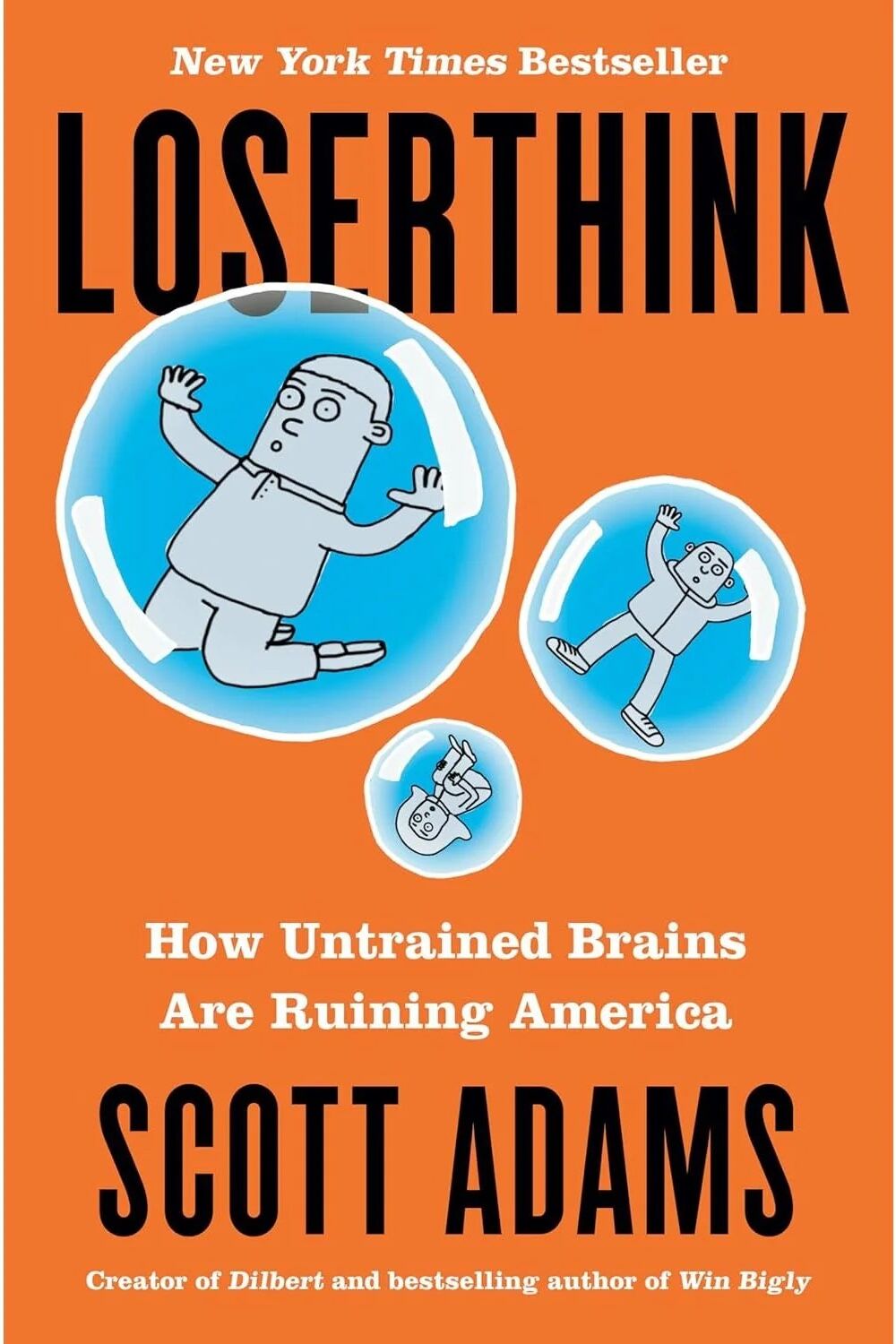
Loserthink by Scott Adams - How Untrained Brains Are Ruining America - Hardback Non Fiction Book - Portfolio 2019Loserthink is a thought-provoking guide by Scott Adams that helps readers escape mental traps and see the world more clearly. Drawing on lessons from various disciplines, Adams exposes everyday reasoning failures that fuel modern arguments and offers practical tools to think more broadly and spot flawed logic. This hardback book explores how even intelligent and educated people can fall into 'loserthink' due to a lack of exposure to best thinking practices. By applying these principles, readers can improve their critical thinking skills and hold their own in debates with confidence.4,99 £*Shipping: 2,99 £Secure redirect to the provider
-
Scribe Publications The Power of Showing Up by Daniel J. Siegel & Tina Payne Bryson - Bestselling Parenting Paperback - How Parental Presence Shapes Kids' BrainsA warm and research-driven guide, 'The Power of Showing Up' by Daniel J. Siegel and Tina Payne Bryson explains what children need most from the adults raising them. Grounded in brain science and attachment theory, the book distills decades of clinical experience into four simple building blocks: safe, seen, soothed, and secure. This clear roadmap helps parents, carers, and teachers build lifelong emotional resilience in the children they love. The authors argue that consistent, attuned presence, not perfection, is the single biggest predictor of a child's long-term happiness and success. This paperback is a valuable resource for anyone looking to understand the importance of parental presence in shaping a child's life and development.7,49 £*Shipping: 2,99 £Secure redirect to the provider
-
My F*cking Job Sucks: A Guided Workbook for When Your Job Is Driving You Crazy by Chartwell Books - Paperback Self-Help Career Wellness WorkbookA witty and no-nonsense guided workbook for anyone who has ever dreaded a Monday morning. Packed with candid prompts, quick quizzes, and simple meditations, it helps readers unpack exactly why their job is grinding them down and gives practical tools to reclaim their headspace. Written with humor and honesty, it's part journal, part therapy session, and entirely relatable for the modern worker stuck in a job that just isn't working for them anymore. The book tackles the emotional, physical, intellectual, and financial toll a bad job can take, covering more than 100 prompts to help readers take control of their work life. Published by Chartwell Books, this workbook is a candid and practical guide to navigating a difficult job situation.2,99 £*Shipping: 2,99 £Secure redirect to the provider
-
Rupa Publications Your Job Is Not Your Personality by Ken Wallace - Paperback Career & Self-Help Book on Workplace Identity and SuccessYour Job Is Not Your Personality is a thought-provoking book that challenges the modern hustle mindset. Ken Wallace urges readers to stop measuring self-worth by job titles, late nights, or promotions. This book offers honest advice on winning at work without letting work define who you are. It's a refreshing read for professionals navigating burnout culture. Written by Ken Wallace and published by Rupa Publications, this paperback book is a bold look at the fine line between ambition and identity. It's a punchy career manifesto that draws attention to the traps that quietly hijack careers and wellbeing alike. Rather than another dry productivity guide, Wallace calls out the common pitfalls that can quietly derail careers and wellbeing.2,99 £*Shipping: 2,99 £Secure redirect to the provider


-
Do animals also have brains?
Yes, animals also have brains. The brain is the organ that controls their behavior, movement, and bodily functions. Different animals have different sizes and complexities of brains, depending on their species and evolutionary history. The brain allows animals to process information from their environment, make decisions, and respond to stimuli. **
-
Do leeches have 32 brains?
No, leeches do not have 32 brains. Leeches actually have 32 brains cells, which are spread throughout their bodies. These cells help coordinate their movements and behaviors. Despite having multiple brain cells, leeches do not possess 32 separate brains. **
-
Why do brains program themselves?
Brains program themselves through a process called neuroplasticity, which allows them to adapt and reorganize in response to new experiences and learning. This programming is essential for survival and adaptation to changing environments. By constantly updating and rewiring neural connections, brains can optimize their functioning and improve cognitive abilities. Ultimately, self-programming allows brains to learn, grow, and evolve over time. **
-
Who eats offal and brains?
Offal and brains are consumed by various cultures around the world. In many countries, offal such as liver, kidneys, and intestines are considered delicacies and are used in traditional dishes. Brains are also consumed in some cultures, often as a source of protein and nutrients. In some places, offal and brains are considered a delicacy and are enjoyed as part of the local cuisine. **


Why can most human brains not beat the brains of chimpanzees in memory competitions?
Most human brains cannot beat the brains of chimpanzees in memory competitions because chimpanzees have a larger and more developed hippocampus, which is the part of the brain responsible for memory. Additionally, chimpanzees have been shown to have better short-term memory and spatial memory than humans. This is likely due to the fact that chimpanzees rely more heavily on their memory for survival in the wild, whereas humans have developed other cognitive abilities such as language and problem-solving skills. **
Are brains of different people atypical?
Yes, brains of different people can be atypical in terms of their structure and function. There is a wide range of variability in the size, shape, and connectivity of different individuals' brains. Factors such as genetics, environment, and experiences can all contribute to these differences. Additionally, conditions such as autism, ADHD, and other neurodevelopmental disorders can also lead to atypical brain characteristics in affected individuals. **
Top-Angebote
Products related to Brains:
-
Atomic Mass Games Marvel: Crisis Protocol Brains Pack - Hulk Hulkbuster Vision Winter SoldierFour Marvel characters for tabletop miniatures gaming: Hulk, Hulkbuster, Vision, Winter Soldier. Designed for expanding an existing Marvel: Crisis Protocol collection. Miniatures may require assembly.64,99 £*Shipping: 0,00 £Secure redirect to the provider
-
DK Children Wonderfully Wired Brains: An Introduction to the World of Neurodiversity by Louise GoodingAn informative and inclusive children's guide to neurodiversity for those not in the know and to inspire children who are neurodivergent. Our brains are unique in the way they function, work, and think. Neurodiversity is still a relatively 'new' concept that can be tricky to understand, but this book is here to help! This inspirational book written by neurodiverse author Louise Gooding challenges misconceptions and shows how neurodivergent brains work a little differently. It is common for neurodiverse people and those with neurological differences to feel as though they don't fit in, but their extraordinary differences should be embraced. Wonderfully Wired Brains teaches children aged 7-9 all about the awesome abilities that neurodiverse individuals have, introduces them to advocates who are challenging neurodiversity stereotypes, and most importantly gives them a safe space to feel accepted. This informative and educational book for children features:- Accurate, understandable explanations of diagnoses that impact the brain, including each area of neurodiversity and what it can or does mean for anyone with that particular neurological difference. - A positive, friendly look at neurodiverse brains that debunks myths and stereotypes. - Informative, inclusive text is accompanied by colourful, modern illustrations. The font and colours used have been selected to accommodate a range of neurodiverse readers. Combining neurodiverse experiences with science, history, and brain-bursting facts, Wonderfully Wired Brains has something for everyone!Whether your child is neurodiverse or not, this book will inspire inquisitive young readers and show them that no two brains function in the same way and that everyone's differences should be celebrated. There really is no other book like it.6,99 £*Shipping: 2,99 £Secure redirect to the provider
-
Loserthink by Scott Adams - How Untrained Brains Are Ruining America - Hardback Non Fiction Book - Portfolio 2019Loserthink is a thought-provoking guide by Scott Adams that helps readers escape mental traps and see the world more clearly. Drawing on lessons from various disciplines, Adams exposes everyday reasoning failures that fuel modern arguments and offers practical tools to think more broadly and spot flawed logic. This hardback book explores how even intelligent and educated people can fall into 'loserthink' due to a lack of exposure to best thinking practices. By applying these principles, readers can improve their critical thinking skills and hold their own in debates with confidence.4,99 £*Shipping: 2,99 £Secure redirect to the provider
-
Scribe Publications The Power of Showing Up by Daniel J. Siegel & Tina Payne Bryson - Bestselling Parenting Paperback - How Parental Presence Shapes Kids' BrainsA warm and research-driven guide, 'The Power of Showing Up' by Daniel J. Siegel and Tina Payne Bryson explains what children need most from the adults raising them. Grounded in brain science and attachment theory, the book distills decades of clinical experience into four simple building blocks: safe, seen, soothed, and secure. This clear roadmap helps parents, carers, and teachers build lifelong emotional resilience in the children they love. The authors argue that consistent, attuned presence, not perfection, is the single biggest predictor of a child's long-term happiness and success. This paperback is a valuable resource for anyone looking to understand the importance of parental presence in shaping a child's life and development.7,49 £*Shipping: 2,99 £Secure redirect to the provider
-
Do brains arise in consciousness or does consciousness arise in brains?
The relationship between brains and consciousness is complex and not fully understood. Some theories suggest that consciousness arises from the complex interactions of the brain's neural networks and processes. On the other hand, some argue that consciousness is a fundamental aspect of the universe that the brain taps into. Ultimately, the exact relationship between brains and consciousness is still a topic of debate among scientists and philosophers. **
-
Do ticks have brains?
Yes, ticks do have brains, although they are quite simple. Their brains consist of a collection of nerve cells that allow them to process sensory information and control their basic behaviors, such as finding a host to feed on. While their brains are not as complex as those of mammals, ticks are still able to carry out their essential functions through their nervous system and brain. **
-
Do animals also have brains?
Yes, animals also have brains. The brain is the organ that controls their behavior, movement, and bodily functions. Different animals have different sizes and complexities of brains, depending on their species and evolutionary history. The brain allows animals to process information from their environment, make decisions, and respond to stimuli. **
-
Do leeches have 32 brains?
No, leeches do not have 32 brains. Leeches actually have 32 brains cells, which are spread throughout their bodies. These cells help coordinate their movements and behaviors. Despite having multiple brain cells, leeches do not possess 32 separate brains. **
Similar search terms for Brains
-
My F*cking Job Sucks: A Guided Workbook for When Your Job Is Driving You Crazy by Chartwell Books - Paperback Self-Help Career Wellness WorkbookA witty and no-nonsense guided workbook for anyone who has ever dreaded a Monday morning. Packed with candid prompts, quick quizzes, and simple meditations, it helps readers unpack exactly why their job is grinding them down and gives practical tools to reclaim their headspace. Written with humor and honesty, it's part journal, part therapy session, and entirely relatable for the modern worker stuck in a job that just isn't working for them anymore. The book tackles the emotional, physical, intellectual, and financial toll a bad job can take, covering more than 100 prompts to help readers take control of their work life. Published by Chartwell Books, this workbook is a candid and practical guide to navigating a difficult job situation.2,99 £*Shipping: 2,99 £Secure redirect to the provider
-
Rupa Publications Your Job Is Not Your Personality by Ken Wallace - Paperback Career & Self-Help Book on Workplace Identity and SuccessYour Job Is Not Your Personality is a thought-provoking book that challenges the modern hustle mindset. Ken Wallace urges readers to stop measuring self-worth by job titles, late nights, or promotions. This book offers honest advice on winning at work without letting work define who you are. It's a refreshing read for professionals navigating burnout culture. Written by Ken Wallace and published by Rupa Publications, this paperback book is a bold look at the fine line between ambition and identity. It's a punchy career manifesto that draws attention to the traps that quietly hijack careers and wellbeing alike. Rather than another dry productivity guide, Wallace calls out the common pitfalls that can quietly derail careers and wellbeing.2,99 £*Shipping: 2,99 £Secure redirect to the provider
-
Mindclash Games Board Game - Strategic Dragon Rescue and Hero Recruitment - Model XIn Emberheart, you take on the role of a King's Champion in a strategic board game about rescuing dragons, recruiting heroes, and building a safer home for them. Each player develops a dragon preserve, trains a personal dragon companion, and manages their flame while working towards the greatest possible glory. Players compete through five rounds of tactical worker placement, choosing where to send their champions to gather resources, expand their preserve, attract valuable heroes, or rescue dragons before the poachers claim them. Every decision contributes to your growing reputation, but careful planning is needed to balance immediate opportunities with longer-term objectives. The game offers a medium-weight strategy experience for players who enjoy meaningful choices in a compact game.37,99 £*Shipping: 3,95 £Secure redirect to the provider
-
NYX Professional Makeup Jelly Job sparkle lip gloss with magnifying effect shade Glow Job 7.5 mlNYX Professional Makeup Jelly Job, 7.5 ml, Lip Glosses for Women, Lips as smooth as glass and as reflective as a mirror? The NYX Professional Makeup Jelly Job lip gloss can turn this dream into reality. It envelops the lips in a high-gloss formula, smoothing and evening out their surface to mask any lines or wrinkles while giving your lips long-lasting comfort. It promotes their soft appearance, preventing visible dryness that can interfere with your perfect makeup look. In no time at all, it helps you achieve beautifully glossy, luscious lips, making them the centre of attention and irresistibly kissable. Characteristics: ensures a high gloss gives lips more volume moisturises and softens lips smooths fine lines on the lips details the lips perfectly How to use: Apply an even layer to the lips with an applicator. Repeat as necessary. Can also be applied over lipstick or other makeup.7,31 £*Shipping: 3,99 £Secure redirect to the provider
-
Why do brains program themselves?
Brains program themselves through a process called neuroplasticity, which allows them to adapt and reorganize in response to new experiences and learning. This programming is essential for survival and adaptation to changing environments. By constantly updating and rewiring neural connections, brains can optimize their functioning and improve cognitive abilities. Ultimately, self-programming allows brains to learn, grow, and evolve over time. **
-
Who eats offal and brains?
Offal and brains are consumed by various cultures around the world. In many countries, offal such as liver, kidneys, and intestines are considered delicacies and are used in traditional dishes. Brains are also consumed in some cultures, often as a source of protein and nutrients. In some places, offal and brains are considered a delicacy and are enjoyed as part of the local cuisine. **
-
Why can most human brains not beat the brains of chimpanzees in memory competitions?
Most human brains cannot beat the brains of chimpanzees in memory competitions because chimpanzees have a larger and more developed hippocampus, which is the part of the brain responsible for memory. Additionally, chimpanzees have been shown to have better short-term memory and spatial memory than humans. This is likely due to the fact that chimpanzees rely more heavily on their memory for survival in the wild, whereas humans have developed other cognitive abilities such as language and problem-solving skills. **
-
Are brains of different people atypical?
Yes, brains of different people can be atypical in terms of their structure and function. There is a wide range of variability in the size, shape, and connectivity of different individuals' brains. Factors such as genetics, environment, and experiences can all contribute to these differences. Additionally, conditions such as autism, ADHD, and other neurodevelopmental disorders can also lead to atypical brain characteristics in affected individuals. **
* All prices are inclusive of VAT and, if applicable, plus shipping costs. The offer information is based on the details provided by the respective shop and is updated through automated processes. Real-time updates do not occur, so deviations can occur in individual cases. ** Note: Parts of this content were created by AI.